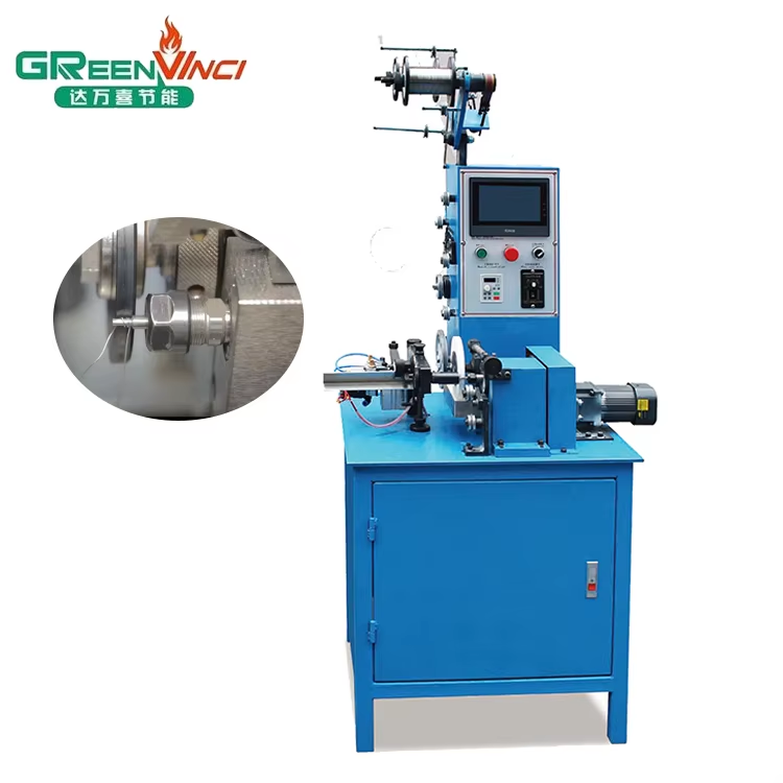
Hello everyone! I'm a supplier of resistance coil winding machines, and today I'd like to talk about how our machines handle wires of different stiffness. This is a very important topic in our industry, and I'm happy to share some insights with you.
Types of Resistance Wire for Heating Elements
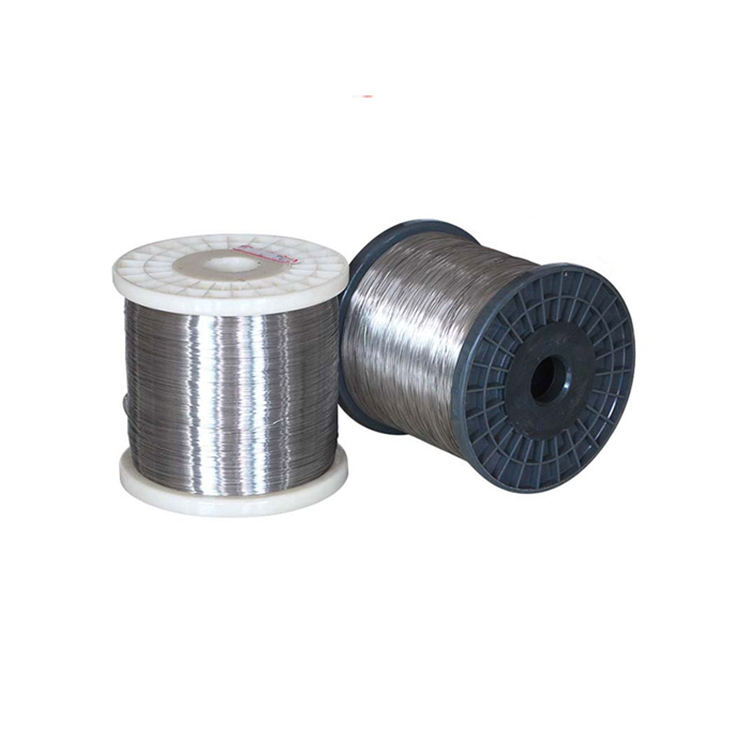
The core materials of resistance wire for heating elements are mainly divided into two categories: metal alloy resistance wire and non- metal resistance wire. In practical applications, metal alloy resistance wire is more common.
Below is a comparison of common resistance wire types, their characteristics, and selection guidelines.
|
Comparison of Common Heating Element Resistance Wire Types Type |
Common Grades/Examples |
Max. Operating Temp. |
Key Characteristics |
Typical Applications |
|
Iron-Chromium-Aluminum (FeCrAl) |
0Cr25Al5, 0Cr21Al6Nb, 0Cr27Al7Mo2 |
Up to 1400°C |
Pros: High operating temperature, high resistivity, good oxidation/sulfur resistance, low cost. |
Industrial high-temperature furnaces, household appliances, heating tubes – suitable for cost-sensitive, high-temperature applications. |
|
Nickel-Chromium (NiCr) |
Cr20Ni80, Cr15Ni60, Cr20Ni35 |
Up to 1200°C |
Pros: High strength at high temperatures, resistant to deformation, non-magnetic, corrosion-resistant, and good workability. |
High-quality household appliances, heating tubes, metallurgical equipment – where high mechanical strength is required. |
|
Copper-Nickel (CuNi) |
Constantan, CuNi10, CuNi44 |
Approx. 300°C – 600°C |
Pros: Low temperature coefficient of resistance (stable resistance), corrosion-resistant, good workability, and non-magnetic. |
Precision resistors, temperature sensors, thermal overload relays, heating cables – low-to-medium temperature electrical applications. |
|
Non-metal / Special Materials |
Silicon carbide (SiC), Molybdenum-lanthanum alloy |
Extremely high (>1400°C) |
Pros: Very high operating temperature, good chemical stability. |
Ultra-high temperature industrial furnaces (ceramics, glass, semiconductor sintering), special vacuum environments. |
Handling Soft Wires
Soft wires, such as aluminum alloys. When winding soft wires, our machines employ a gentle winding method. Tension control is set at a low level to prevent the wire from stretching or breaking. The winding speed can be set relatively high, thus improving winding efficiency.
The guide system is also crucial when handling soft wires. It helps prevent the wire from tangling or knotting. Our machines are equipped with smooth-surfaced guides to minimize friction and ensure smooth movement of the wire during winding.
Handling Hard Wires
Hard wires, such as stainless steel or nickel-chromium alloys, present different challenges. These wires are stiffer and require more force to bend. Our machines address this by providing higher tension. The tension can be precisely adjusted to ensure the wire is tightly wound without breaking.
The winding speed for hard wires is typically slower. This allows the machine sufficient time to precisely bend the wire and maintain the desired coil shape. The guide system is also specially designed to handle the higher stiffness of the wire. It provides a stable path for the wire, ensuring that the wire is wound evenly and neatly.
Our Machine Models
We offer a variety of machine models to meet different needs. For example, our multi-functional resistance winding machine is ideal for handling variable diameter wire winding. It offers a variety of adjustable parameters, including speed and winding method. This machine can be used in a variety of applications, especially for heating wires in kettle heating elements.
Another model is our multi-station resistance winding machine. This machine winds two or three wires of the same diameter simultaneously, ensuring the heater meets the required specifications.
We also offer automatic motor coil winding machines. This machine is ideal for winding motor coils, which often require automation based on the motor's power, making the winding process more efficient and precise.
Why Choose Our Machines?
Our resistance coil winding machines are renowned for their reliability and superior performance. We use high-quality components and advanced technology to ensure our machines can effectively handle wires of different diameters. Our machines are easy to operate, even for operators with limited experience.
We provide comprehensive after-sales service, including training, maintenance, and technical support. We understand that every customer's needs are different, and we are committed to providing customized solutions to meet those needs.
If you are looking for a resistance coil winding machine, we would be happy to communicate with you. We can provide you with detailed product information, including specifications, prices, and delivery methods. Please feel free to contact us at any time to discuss purchasing matters. We will wholeheartedly help you find the machine most suitable for your business.