

If you're running a cookware production facility, you've probably wondered about the nitty-gritty of your equipment-especially when it comes to the environment it lives in. Today, I'm breaking down a question we get all the time here: Can a stainless steel pan brazing machine be used in a high-humidity setting? Spoiler: It's not a straight "yes" or "no," but there are solid ways to make it work (and we've seen it happen time and again for our clients).
First, let's get on the same page about what a stainless steel pan brazing machine does. It's the workhorse that joins the pan's body to its base-usually that aluminum or copper bottom that makes stovetop heating even-using brazing, a process where you melt a filler metal to fuse parts without actually welding them. Most of our systems here are high-frequency induction ones, since they heat fast and hit the exact temperature needed for clean, strong joints. That's why the High Frequency Induction Brazing Machine is such a staple in our cookware production lines. But high humidity? That's a whole different challenge.
High humidity means lots of moisture in the air, right? For any electrical equipment (which brazing machines definitely are), moisture is the enemy. Let's talk about why: first, corrosion. Even stainless steel parts on the machine can rust over time if they're constantly exposed to damp air-small rust spots can mess up moving parts, clog vents, or even flake into the production line. Then there's electrical issues: humidity lowers the insulation resistance of wires and circuit boards. That can lead to short circuits, erratic heating, or even complete machine shutdowns mid-production. And don't forget about the brazing process itself-too much moisture in the area can cause porosity in the braze joint, which makes the pan weak or leaky. That's a huge no-go for your end product.
But wait, I've seen factories in coastal areas (super high humidity, salt air too) use our brazing machines for years without problems. How? Let's get into the practical stuff. First, your machine's setup. Most modern high-frequency induction systems come with sealed electrical cabinets now-they keep damp air out like a raincoat. But even with that, you've got to maintain the humidity around the machine. A lot of our clients use dehumidifiers in the production area, keeping humidity levels below 60%-that's the sweet spot for brazing equipment to run smoothly. I always tell folks to skip the cheap dehumidifiers, too-invest in industrial ones that handle large spaces, not just tiny office units.
Then there's regular maintenance, which is non-negotiable in humid environments. We do a yearly check where our techs inspect every wire connection, tighten any loose terminals, and even coat exposed metal parts with a corrosion-resistant spray. Also, make sure the machine's vents are never blocked-air flow is key to keeping internal parts dry. For example, I had a client in Singapore (super high humidity, no joke) who neglected cleaning their machine's air filters for 6 months. Dust and moisture built up, and the induction coil got clogged-they ended up with 10% more defective pans that month. Ouch. That's why we always remind clients: pair your brazing machine with a good High Frequency Induction Annealing Machine too, if you can-those help with stress relief, but also, running the annealing cycle occasionally can dry out internal parts and prevent moisture buildup.
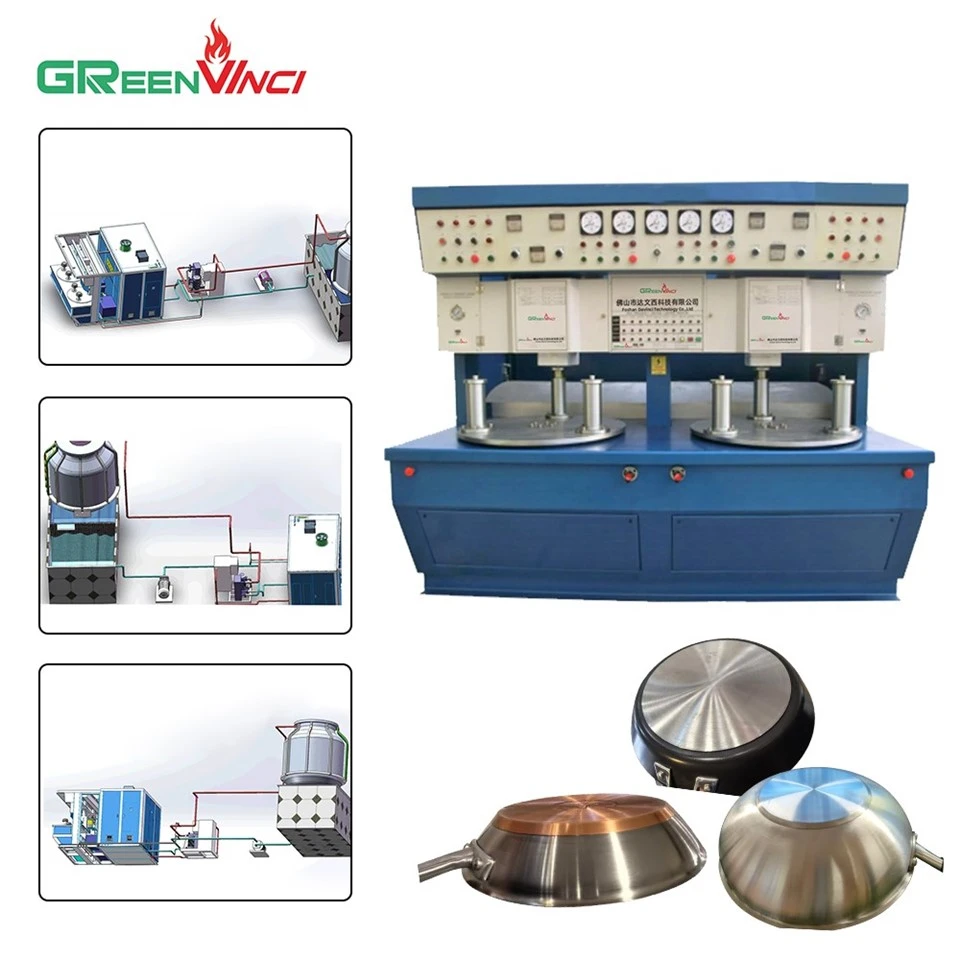

Now, let's tie this to the rest of your cookware production line, because it's all connected. If your brazing area is humid, odds are other machines nearby are dealing with it too. The High Speed Cutting and Beading Machine, for example, has small moving gears that can rust if damp. So it's not just the brazing machine alone-you've got to treat the whole area. Some factories I work with schedule a daily "dry-down" period: turn on all machines for 30 minutes before a shift starts, even if you're not producing, to get rid of any overnight moisture. That's a quick trick that works way better than you'd think.
Wait, but what if your space is really bad-like near a lake or coast, where humidity hits 80% some days? Can you still use the stainless steel pan brazing machine here? Yeah, but you might need a few extra tweaks. We offer optional corrosion-resistant coating for all machine components, not just electrical parts. Also, some clients install local exhaust vents right above the brazing station-they suck out the moist air right when the machine is running, so it doesn't linger. We even have a client in Miami who paired their brazing machine with our Sandwich Bottom Brazing Machine (which does the base assembly) in a room with constant high humidity, and they haven't had major issues in 3 years. The key was investing in the right add-ons from the start, not trying to cut corners.
I should also mention what happens if you skip these steps. We had a small cookware shop in Houston a couple years back that ignored our humidity warnings. Their brazing machine short-circuited during a run, and they lost a whole batch of 500 pans. Not only that, it took a week to fix the machine, so they missed a big order and lost a client. That's the kind of hit you don't want to take. So it's not just about the machine itself-it's about the environment and how you maintain both.
Let's get back to the science to make sure this makes sense. Brazing requires precise temperature control-usually between 1100°F and 1600°F, depending on the filler metal. High humidity can cause the surface of the stainless steel to oxidize unevenly, which means the filler metal doesn't bond right. That's why the braze joint might be porous or weak. But with proper ventilation and dehumidification, you can eliminate that excess moisture so the heat from the induction coil acts exactly as it should. That's why the machine's design (our high-frequency ones, specifically) is ideal here-they heat the joint directly, so you're not wasting energy warming up the whole humid air around it, which also reduces moisture buildup near the working area.
Now, let's talk about day-to-day tips for keeping your machine going in high humidity. First, never leave the machine idle for more than a day without running it-even a short cycle will push out internal moisture. Second, wipe down all external metal parts with a dry cloth every shift. Third, check the electrical connections weekly for any signs of rust or dampness-catching that early is way easier than fixing a short circuit. And if you're ever unsure, reach out to us-we don't just sell machines, we help you set up your line to work in your specific environment.
Wait, one more thing: I've heard some folks say "stainless steel means no rust, so why worry about humidity?" That's a mistake. Stainless steel is corrosion-resistant, not corrosion-proof. Constant exposure to salt or moisture (especially with pH levels from cleaning chemicals used in the factory) will break down even stainless steel over time. The moving parts on a brazing machine-like the axis that adjusts the pan for brazing-are often plated steel, not stainless, so those are the first to rust. That's why regular maintenance matters, even if your machine has a stainless steel frame.
So to wrap this up: Yes, a stainless steel pan brazing machine can work in a high-humidity environment, but it's not automatic. It requires the right machine specs (like sealed electrical cabinets), consistent maintenance, and small adjustments to your production area (dehumidifiers, exhaust vents). It's all about balancing the machine's needs with your environment, and that's where we come in as your go-to cookware production line supplier.
If you're running a production facility in a humid area and want to make sure your brazing machine (or any part of your line-High Speed Cutting and Beading Machine, Trimming And Curling Machine For Cookware, even the High Frequency Induction Annealing Machine) is set up right, hit us up. We can walk through options, share maintenance checklists, or answer any questions you have about making your line work for your space. Don't let humidity derail your production-let's make it work for you.